What this includes
- Loss of a parent or sibling
- Parental separation, divorce
- Medical trauma — long illness, hospital stays, surgeries
- Accidents
- Bullying, social humiliation
- Witnessing violence at home
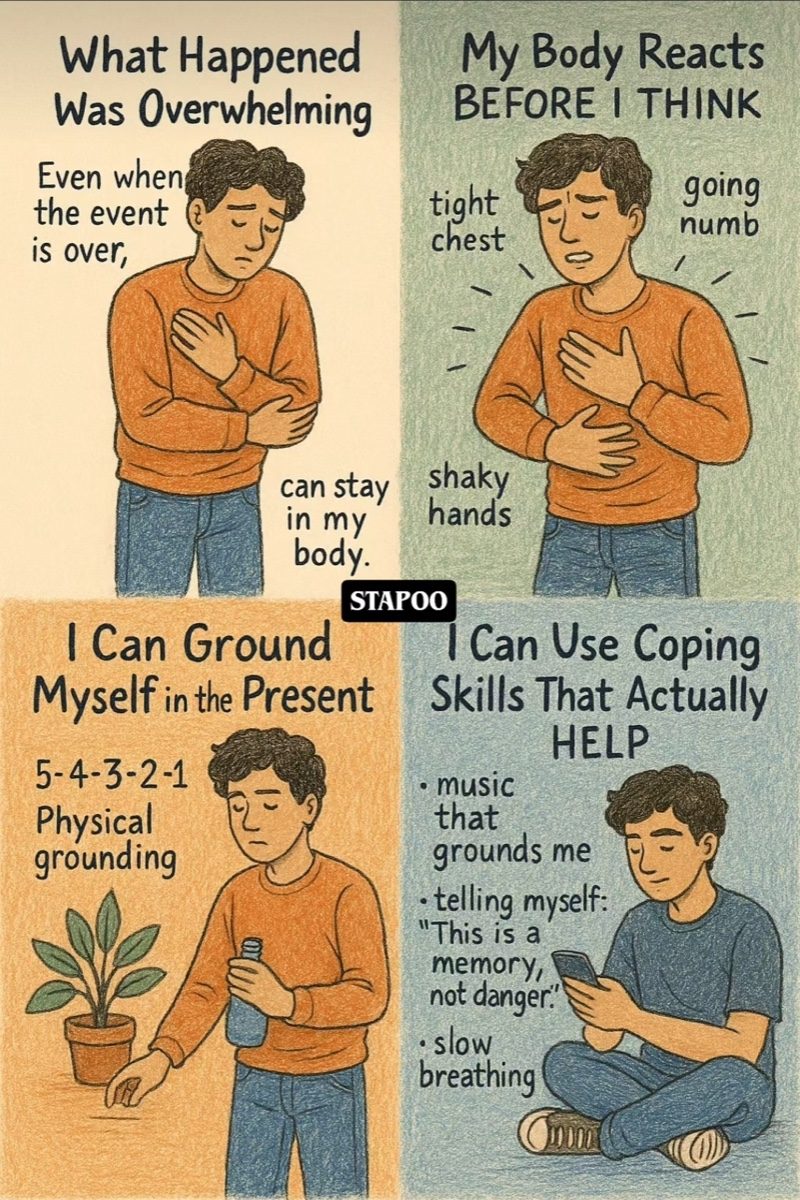
The timeline — what to expect
Trauma work is slow on purpose. The first phase is catharsis — non-judgmental listening, no rush, no analysis. Only after the child has released what they’ve been carrying does the work of change begin. Six months is not unusual. A year is not unusual. Prachi will always be honest with you about how it’s going.
What parents will do
- Stop trying to make your child “get over it.” Trauma doesn’t work like that.
- Show up to parent debriefs. Trauma in a child often surfaces a parent’s own untreated trauma.
- Trust the pace.
Three takeaways
- The body remembers what the mind cannot say.
- Closure is built, not granted.
- Healing isn’t forgetting — it’s the trauma losing its grip.