
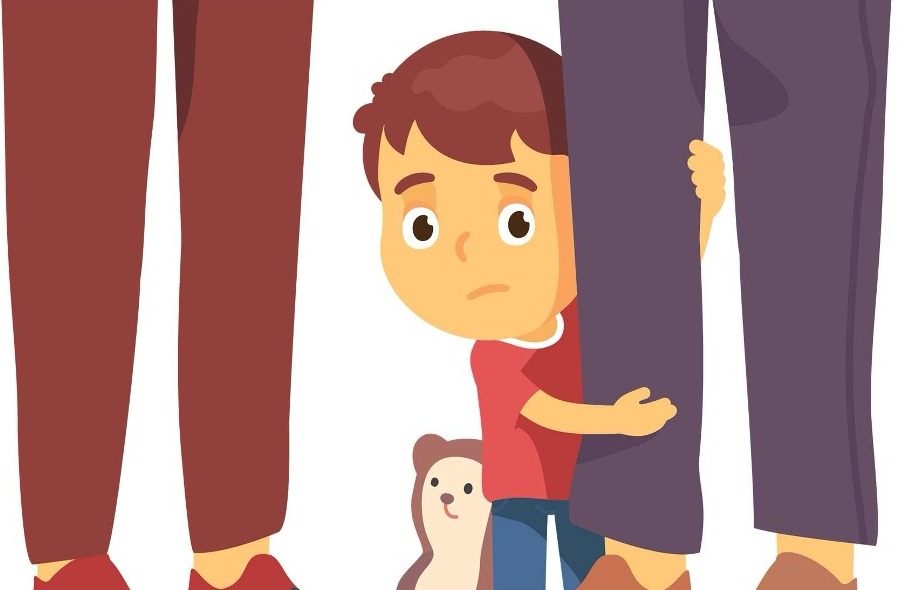

Play Therapy at this age is a structured form of psychotherapy where the child uses play — toys, drawing, sand, role-play, building — to express and work through what they cannot yet put into words. Sessions are 50 minutes, weekly.
What we work on most
- Anger, hitting, throwing, biting
- Won’t eat / won’t sleep / wets the bed
- Refuses school, freezes at the gate, fakes illness
- Stops speaking, stops drawing, stops playing
- Bullying others — or being bullied
- Loss of a parent, separation, divorce
- The child the school keeps calling “difficult”
How children’s sessions actually look
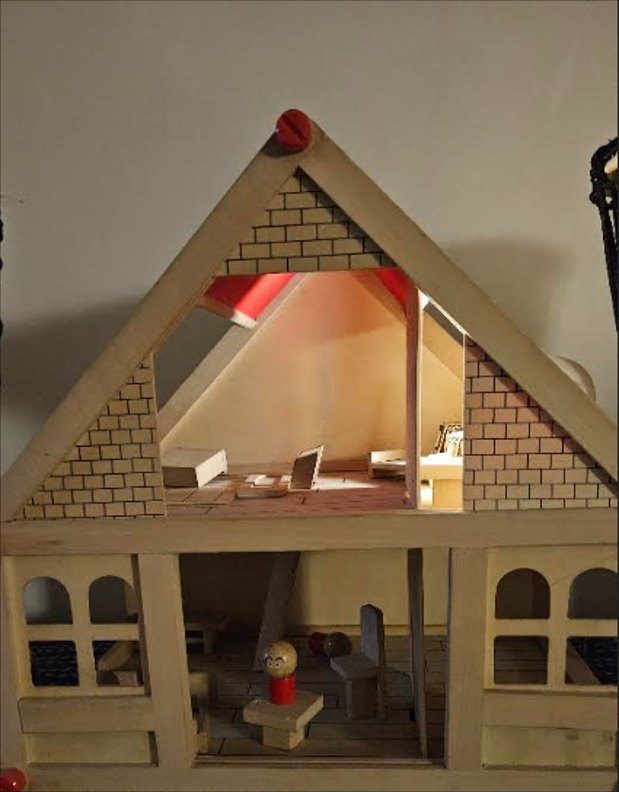
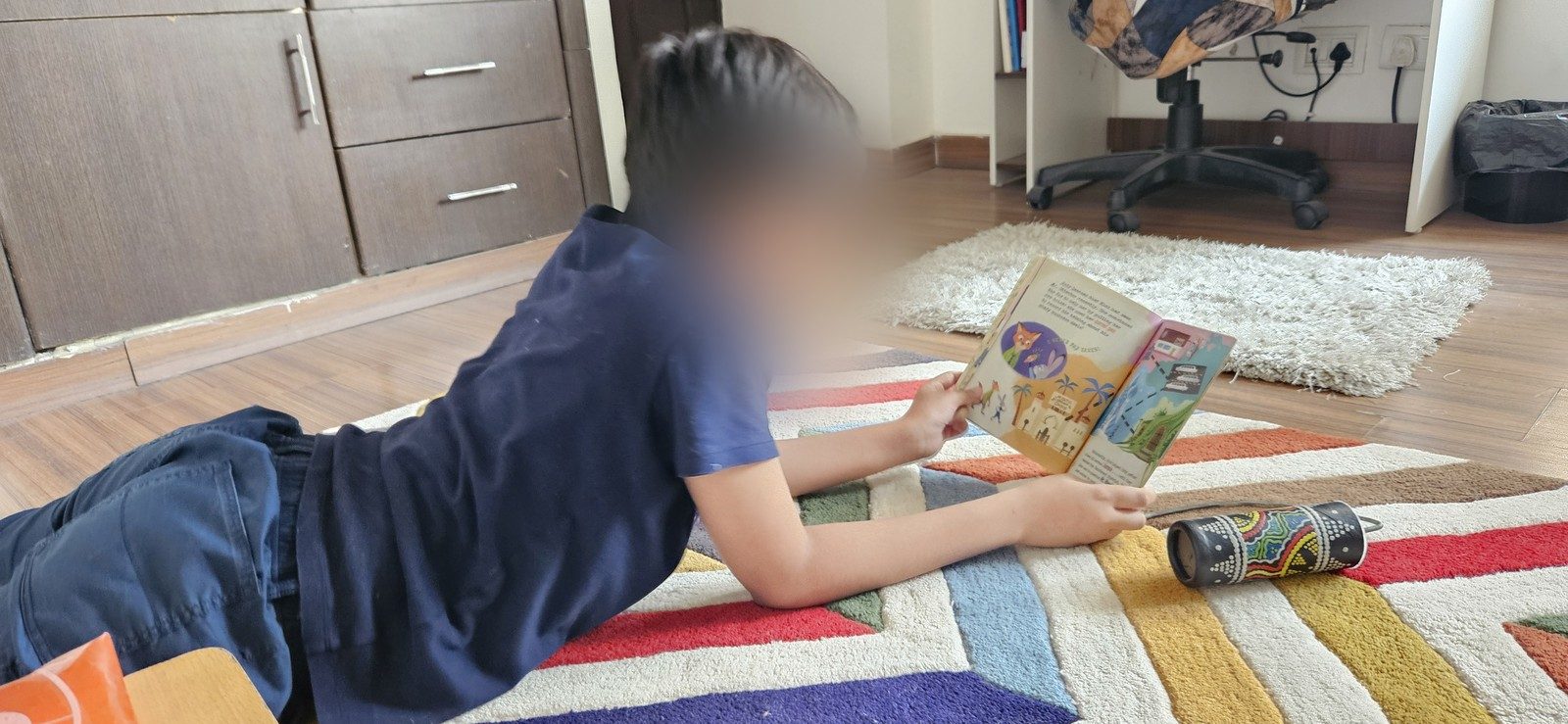
A session is 50 minutes of play. Sometimes it looks like building a Lego world; sometimes it’s drawing a monster, sometimes baking, sometimes sitting in silence with a soft toy. The room is set up for it — books, art supplies, sand, figurines, music. Your child leads. Prachi follows, and notices.
For young children, the body and the play tell the story before words can. So we don’t push for words. We let the play do the asking.
What you, as a parent, will do
- Drop your child off and wait in the waiting room (offline) or in another room (online).
- Show up for parent debrief sessions — they begin around the 3rd or 4th session.
- Try one small thing at home each week. Catch your child doing it right. Tell Prachi how it went.
- Be patient. Most children show change in 4–8 sessions; full work is usually 8–16 weeks.
When child counselling is not the right answer
- If your child is in immediate danger of self-harm — go to a hospital, then call us.
- If there’s untreated psychiatric illness needing medication — Prachi will refer you to a child psychiatrist first.
- If parents are unwilling to do their own work — therapy with the child alone tends to progress very slowly, and the wounds will not be completely healed.
Three takeaways
- Play therapy works because young children process the world through doing, not telling.
- Most behaviour adults call “bad” is actually a cry for help from the child’s side.
- Parents are not bystanders in this work — they’re the most important variable.