| Therapy | Best for | How the child experiences it | Used most for |
|---|---|---|---|
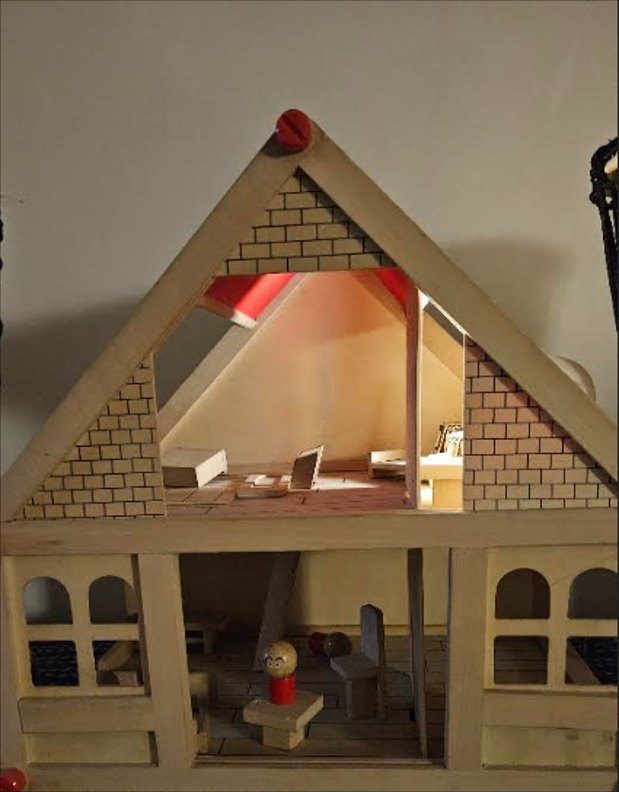
| Play Therapy | Children 2–10, pre-verbal trauma | Toys, drawing, building, role-play | Young children who can’t put it into words yet |
| Arts-Based Therapy | Children & teens with strong feelings, low words | Music, drawing, painting, drama | Releasing pent-up emotion before any talking |
| Cognitive Behaviour Therapy | Older children, teens, parents | Talking, journaling, “homework” between sessions | Anxiety, anger, unhelpful thinking patterns |
| Cognitive Hypnotherapy | Teens & adults with deep-rooted patterns | Guided relaxation, visualisation | Old patterns the conscious mind alone can’t shift |
How Prachi chooses
Most courses of work start with one therapy and add another as the child becomes ready. A young child with separation trauma might begin with pure play, move into arts as they start to express feelings, and then — if it’s a teen or older child — pick up CBT-style tools to handle thinking patterns at school. Cognitive hypnotherapy is usually saved for stubborn patterns that haven’t shifted with the others.
The choice is never made on day one. The first few sessions are about finding what your child meets the world with — and then meeting them there.
What you’ll see, as a parent
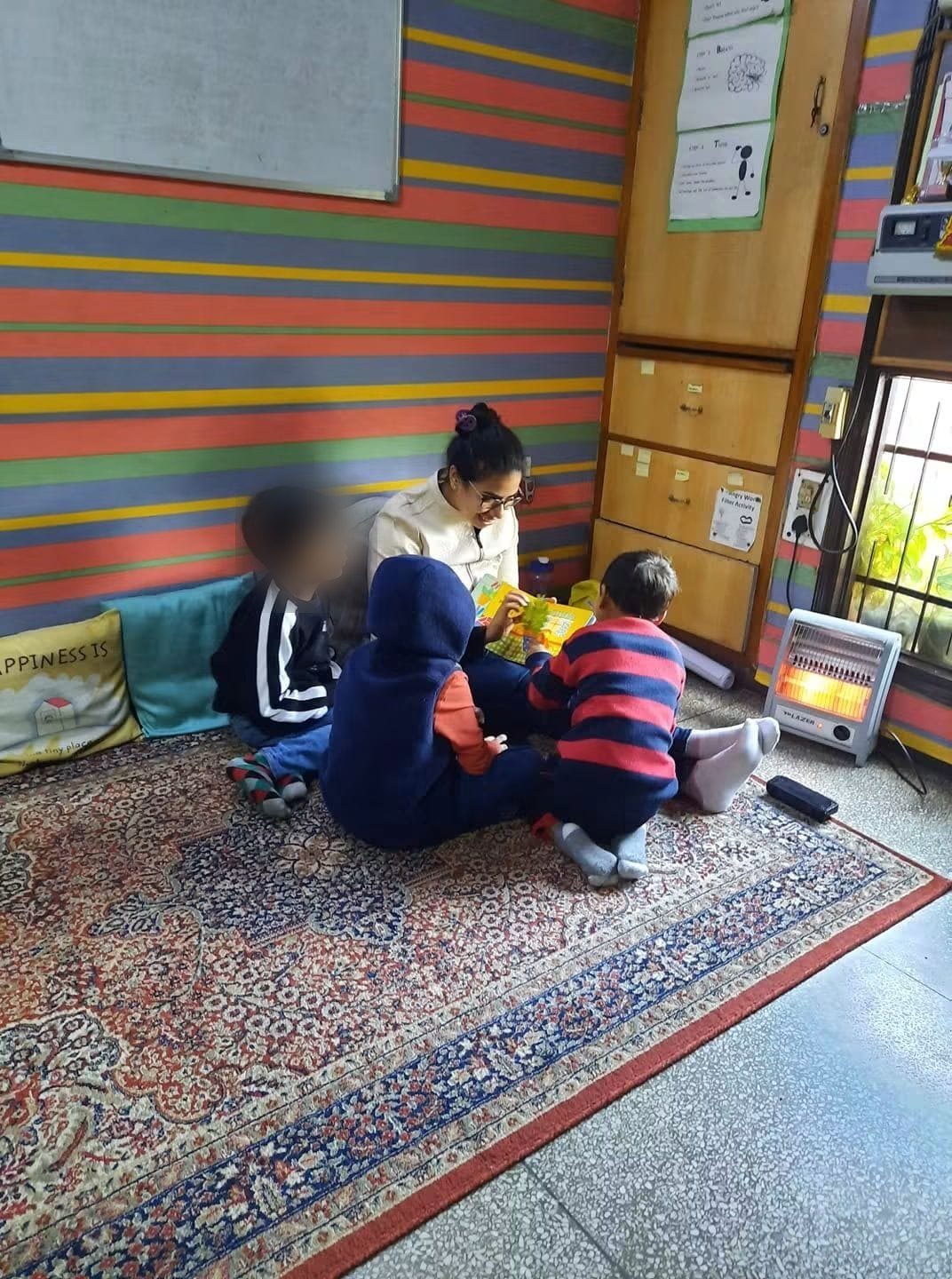
You won’t see Prachi switch therapies in dramatic ways. From the outside, every session looks like a child playing or talking. The shift in approach happens inside the room — in the questions Prachi asks, the tools she introduces, the homework you’re given between sessions.
You’ll feel the shift in what your child brings home: first, fewer outbursts. Then, more words. Then, fewer of the small daily friction points. Then, sometimes, a quiet sentence that tells you the therapy is doing its work.
Three takeaways
- The therapy is chosen for the child — not the other way around.
- Most courses use a blend, not a single approach.
- You don’t need to know the modality. You need to know the child is in the right room.