Arts-Based Therapy uses creative expression as the medium of healing. Prachi: “Using music, art and drama in therapy helps the child release pent-up emotional energy and regulate their emotions.”
How it works in session
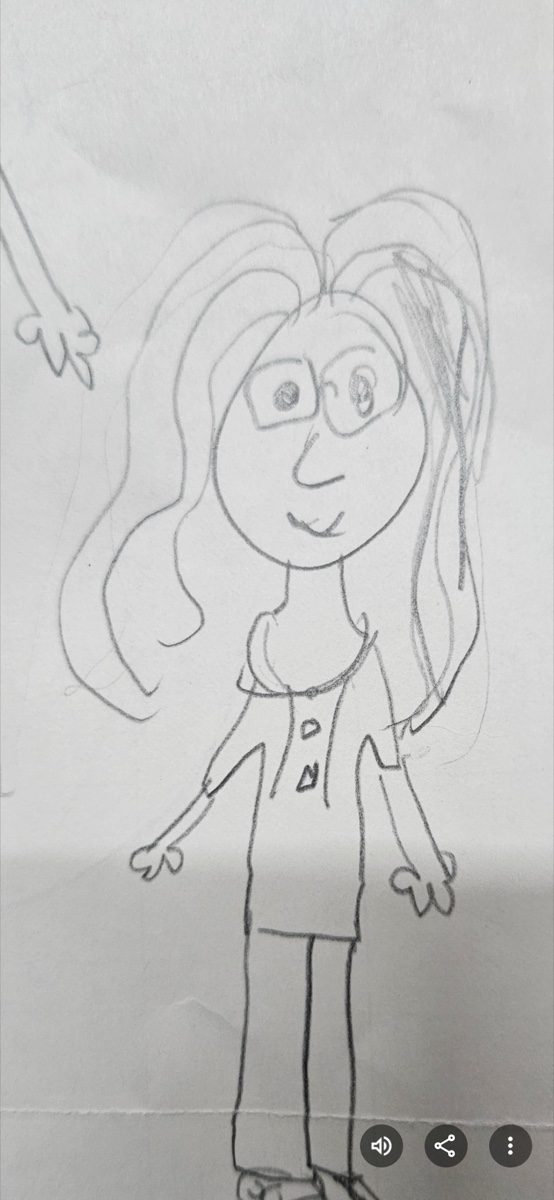
A teenager who can’t talk about her panic attacks paints them, week after week, watching the colours change. A child who’s been hitting his sister gets to drum the anger out into a real drum until his shoulders drop. A girl who lost her grandmother sings her a song. The arts are not decoration — they’re the route in.
What arts-based therapy is good for
- Children & teens with intense feelings and few words
- Trauma where verbal recall is too distressing
- Neurodivergent children who learn through doing
- Pre-teens and adolescents (often most responsive to art and music)
- Group work in school settings
Three takeaways
- The arts process emotion at a different speed than language.
- Catharsis is half the work. Naming comes after.
- You don’t need to be “good at art” — feelings don’t have a structure. Let them flow.